
Part 3: Why MAT and Training Matter — Building a Strong, Resilient Body
Let’s get one thing straight:
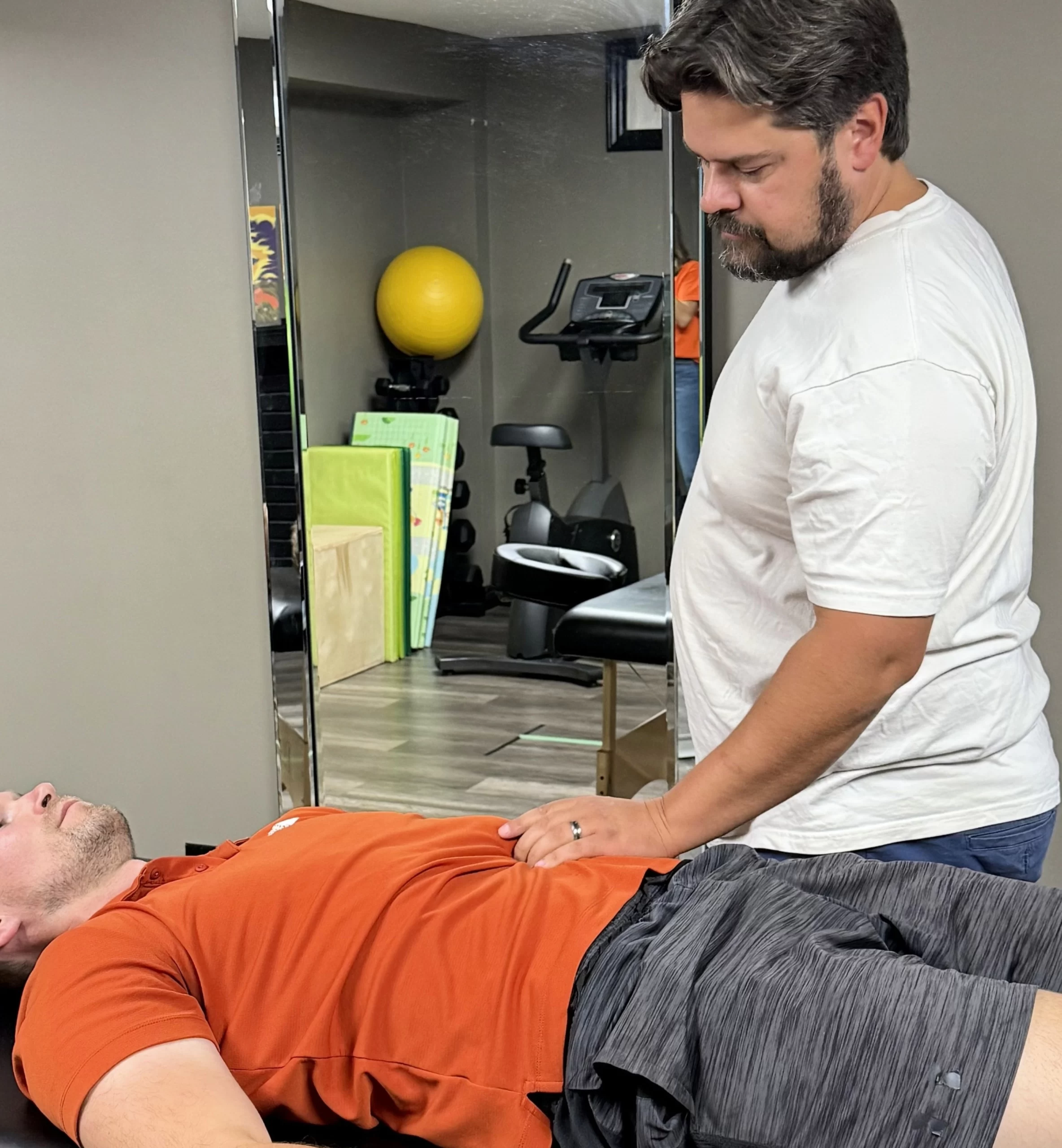
MAT is not the finish line. It’s the starting point. MAT restores function. It turns muscles back on. But if you stop there, you’re leaving your potential on the table.
What you do after a MAT session is what transfers that strength off the table—and into your everyday life.
Activation Without Training = A Missed Opportunity
After a MAT session, your body isn’t just “looser” — it’s working the way it should.
Muscles are firing properly. Communication with your nervous system improves. Contractions become stronger, more precise, and more reliable.
Now, when you train, you can:
- Use the right muscles
- Produce better force
- Move with greater control
That’s the advantage. But here’s the reality:
If you don’t build strength in those newly activated (previously weak) muscles, your body will adapt another way.
Your nervous system’s job is to create strength and stability — no matter what.
If certain muscles can’t handle the load, the body shifts the work elsewhere.
That’s when compensation returns.
MAT helps you access the right muscles. Training makes them strong enough to keep doing their job.
Training and Exercise Lock It In
MAT is like putting new tires on your car. Training and exercise is where you actually drive it. This is where most people miss the mark.
They feel better after a session—but don’t build on it. So the body slips right back into old patterns.
When you train after activation:
- You strengthen previously underperforming muscles
- You improve coordination between muscle groups
- You build control — not just movement
- You reinforce better patterns under load
This is how short-term results become long-term change.
Where Most People Go Wrong
Most people fall into one of two categories:
1. Relying on Treatment
Massage, adjustments, therapy—constantly chasing relief. They feel better temporarily…then the same issues return.
2. Pushing Harder Without a Foundation
More weight, more reps, more intensity but without addressing weak links. They get stronger…but on top of dysfunction.
And that always catches up.
The Standard: Activation + Training
This is where real change happens.
When you combine MAT with proper training:
- You move with intention, not compensation
- You build strength where it’s been missing
- You create true stability—not just the appearance of it
Now you’re not guessing. You’re building something that actually holds up.
What Training Should Look Like After MAT
This isn’t the time to chase numbers or personal bests.
First, you need control and patience.
That means:
- Slowing movements down
- Owning each position
- Being deliberate with every rep
- Ensuring the right muscles are doing the work
Rush it—and you fall back into old patterns. Control it—and you build new ones. Simple as that.
Strength Without Stability Is a Dead End
Many people chase strength, mobility, or performance—but skip the foundation.
Here’s the reality:
- Mobility without stability = loose joints
- Strength without control = compensation
- Performance without a foundation = breakdown
MAT gives you stability. Training builds on it. You need both—if you want results that last.
What This Means for You
Whether you lift, play sports, or simply want to move without pain. The goal isn’t to feel better for a day. The goal is to function at a high level consistently.
That only happens when:
- You restore proper muscle function
- You reinforce it through training
No shortcuts. No fluff.
The Bigger Picture
This isn’t about quick fixes. It’s about building a body that holds up—under load, under stress, and over time.
When you combine activation with training:
- You stop chasing symptoms
- You address the root problem
- You build resilience instead of relying on recovery
That’s how you stay strong.
What’s Next
In Part 4, the final segment of this series, we’ll break down two things most people get completely wrong:
Why you feel tight — and why stretching isn’t fixing it
Who MAT is really for: athletes, everyday people, injury recovery, and post-surgical care
If you’ve been doing “all the right things” and still feel restricted, this is where it starts to make sense.
Don’t miss it…