
Mid-Life Weight Gain – It’s not your will power!
** SOLD OUT **
To WAIT LIST, please email: naturopath@activebalancehealth.ca
Why Weight Gain Happens in Menopause — And What Actually Works for Weight Loss
If you’ve hit your 40s or 50s and suddenly your body feels different, you’re not alone.
Your jeans fit tighter.
Your belly feels softer.
The scale creeps up even though you’re “not doing anything different.”
It’s frustrating. And for many women, it feels unfair.
But menopause weight gain isn’t random — and it’s not just about willpower. It’s about biology, metabolism, muscle, and long-term health.
Let’s talk about what’s really happening.
Your Metabolism Does Change
As we age, we naturally lose muscle. Muscle is metabolically active tissue — meaning it burns calories even at rest.
At the same time, estrogen declines.
When estrogen drops:
- Resting metabolism can decrease
- Fat storage shifts toward the abdomen
- Energy levels often drop
- Sleep gets disrupted
Resting metabolism is the biggest part of your daily calorie burn. So even a small decrease, over years, can lead to gradual weight gain.
This is why many women gain about a pound per year during the menopause transition — and some gain more.
It’s not laziness.
It’s not lack of discipline.
It’s physiology.
The Protein Shift
Here’s something most women are never told:
As we age, our muscles become less responsive to protein. This means you need more protein in midlife than you did at 30.
At the same time, your body increases protein breakdown after menopause.
When your body needs more protein, it drives hunger. But in today’s food environment, protein often comes packaged with refined carbs and fats. So you eat more total calories trying to meet a higher protein need.
That combination — slightly lower metabolism plus slightly higher calorie intake — explains a lot of menopause weight gain.
Increasing protein strategically (not just calories) is one of the most important shifts in midlife nutrition.
Menopause Symptoms Themselves Create Barriers
Poor sleep increases hunger hormones.
Hot flashes disrupt rest.
Mood changes reduce motivation.
Joint pain reduces movement.
Busy schedules push your health to the bottom of the list.
If you don’t feel well, it’s incredibly hard to do the things needed for weight loss.
Sometimes the first step isn’t calories — it’s sleep.
Or mood.
Or managing hot flashes.
Weight loss works better when your body feels supported.
It’s Not Just About Weight — It’s About Metabolic Health
Here’s the part that matters even more than the number on the scale.
During and after menopause, women see increases in:
- Insulin resistance
- Abdominal (visceral) fat
- Cholesterol changes
- Blood pressure
- Cardiovascular risk
The shift toward more belly fat isn’t just cosmetic. Visceral fat is metabolically active and linked to higher risk of heart disease and type 2 diabetes.
Menopause is a window.
It’s a time when metabolic patterns are changing. And that means it’s also a powerful opportunity to intervene.
- Preserving muscle
- Improving insulin sensitivity
- Reducing inflammation
- Supporting healthy cholesterol
- Protecting long-term cardiovascular health
Weight loss becomes one part of a much bigger, more meaningful picture.
What Actually Moves the Needle
For most women, the fundamentals matter more than extreme diets.
Consistent habits like:
- Strength training at least twice per week
- Walking daily (7,000–10,000 steps)
- Eating adequate protein (often 20–30% of total intake)
- Sleeping 7 hours per night
- Maintaining a moderate calorie deficit if fat loss is the goal
Strength training is especially important. If metabolism slows partly because of muscle loss, rebuilding muscle is one of the only ways to meaningfully support metabolic rate long-term.
And no — starving yourself is not the answer.
Severe restriction usually leads to:
- Fatigue
- Cravings
- Poor workouts
- Reduced protein intake
- Giving up
A sustainable, strategic approach works better every time.
A Naturopathic Lens on Longevity
From a naturopathic perspective, menopause is not just something to “survive.”
It’s a transition that deserves proactive care.
We look at:
- Nutrition patterns
- Protein adequacy
- Blood sugar regulation
- Lipid balance
- Inflammation markers
- Stress physiology
- Sleep quality
- Movement habits
- Gut health
The goal isn’t crash dieting.
The goal is building metabolic resilience for the next 30–40 years of your life.
Because women now spend nearly one-third of their lives post-menopause. Supporting cardiovascular health and preventing diabetes during this window is one of the most powerful long-term investments you can make.
~~~~~~~~~~~~~~~~~~~~~~~~~~~~~~~~~~~~~~~~~~~~~~~~~~~~~~~~~~~~~~
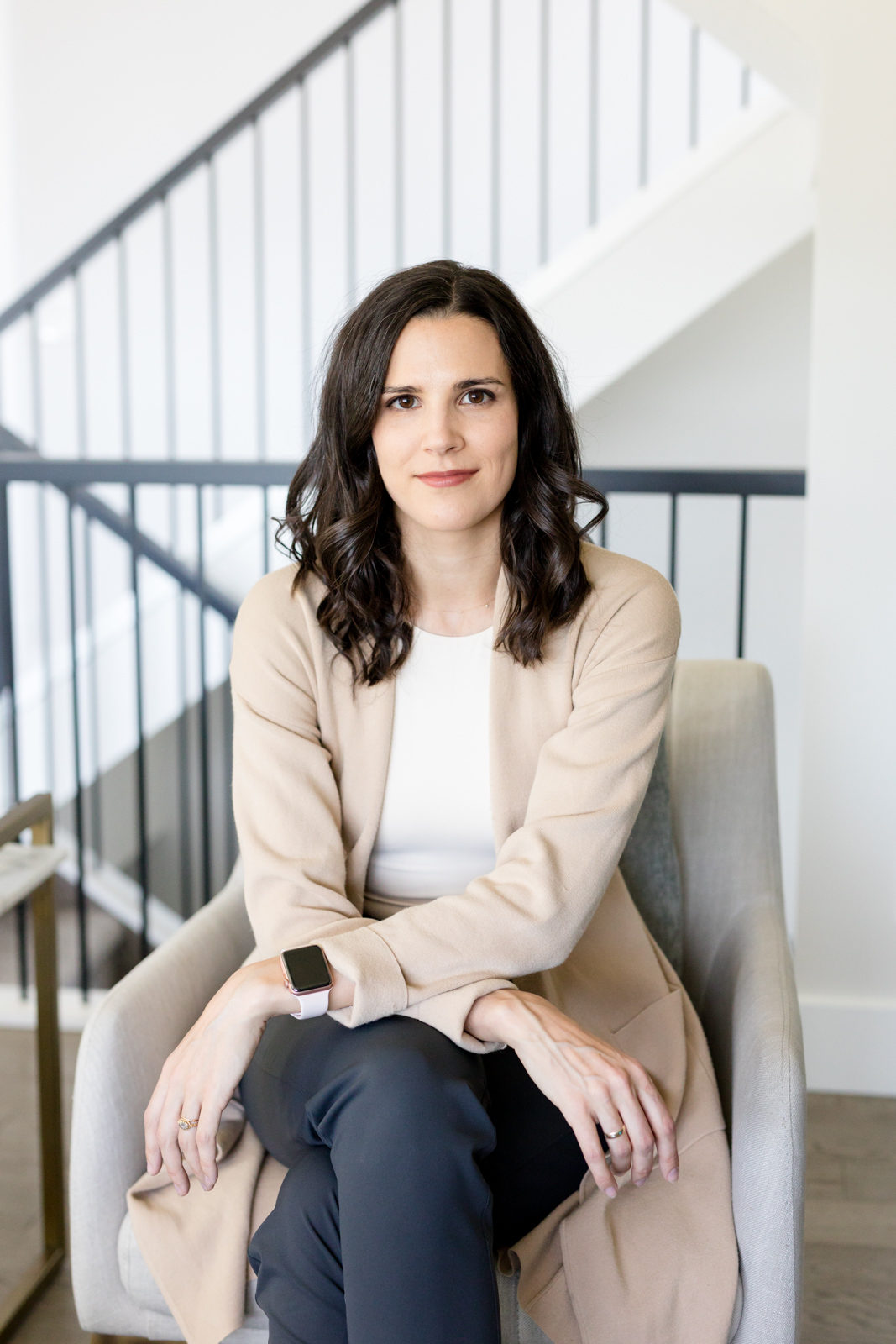
Dr. Annie is here to meet you and answer questions you may have. Dr. Annie offers complimentary Meet & Greet appointments, both in-person and virtually by clicking HERE.
~~~~~~~~~~~~~~~~~~~~~~~~~~~~~~~~~~~~~~~~~~~~~~~~~~~~~~~~~~~~~~
Don’t miss out on Dr. Annie’s talk, The Great Pause: Mid-Life Weight Gain, being held at the clinic on Thursday, March 26 at 7pm. For more information, please click HERE. Tickets are $10 and available through Eventbrite.