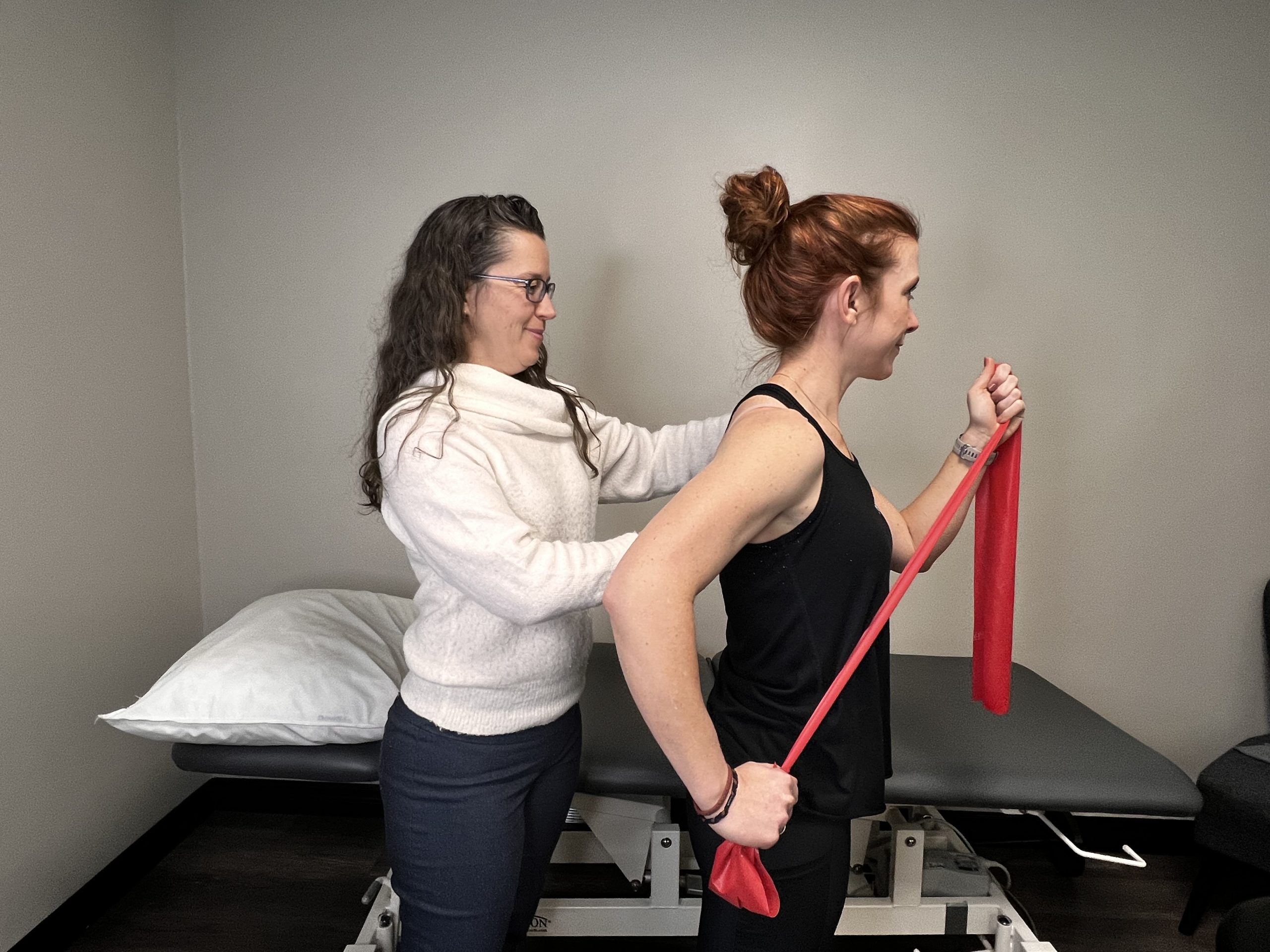
Our patients range from babies to those fully experienced in life.
We treat “regular” people, high performance sport athletes and everyone else in between in our unique, researched-based clinic.
Our practitioners work together as a 360 team. With patient consent, they work together to provide you with the most comprehensive extended health environment possible.
Book a complementary Meet & Greet appointment today to see if we are the right fit for you.
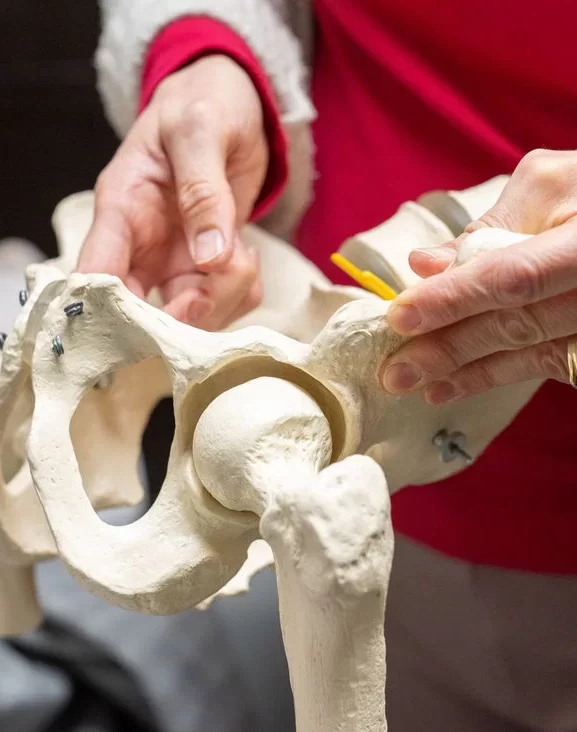
Pelvic Floor Physiotherapy for Women, Men & Children
Pelvic Floor Physiotherapy
Pelvic health concerns are common, but they are not something you simply have to “live with.”
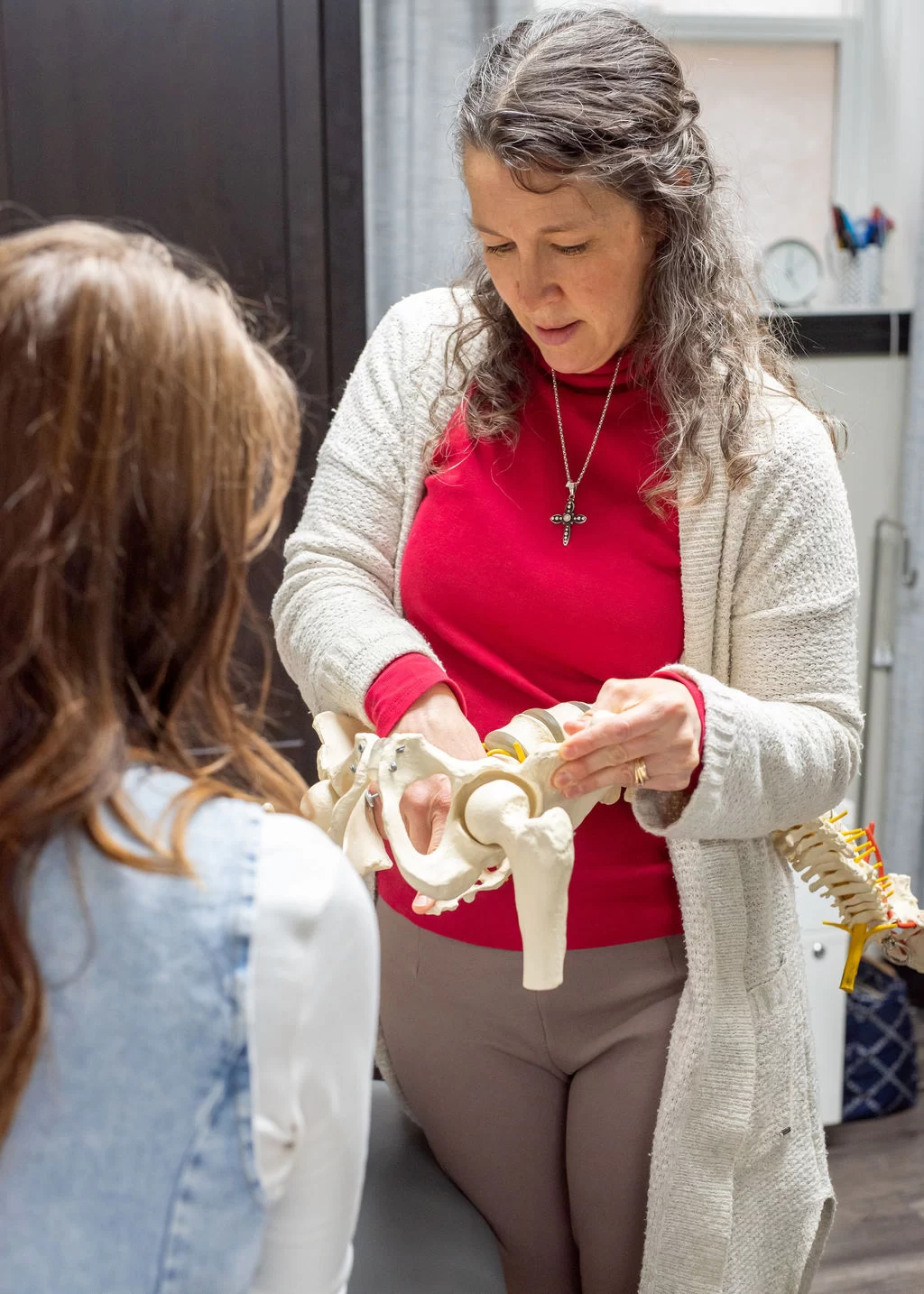
Pelvic Floor Physiotherapy is a specialized area of physiotherapy that focuses on the muscles, ligaments, connective tissues, and nerves of the pelvis. These structures play an important role in bladder and bowel function, sexual health, core stability, and supporting the pelvic organs.
Whether you’re preparing for childbirth, recovering postpartum, returning to exercise, supporting your child through developmental concerns, or managing symptoms that are interfering with everyday life, pelvic floor physiotherapy can help.
Leona Ham provides individualized, compassionate care in a comfortable and respectful environment. She understands that pelvic health concerns can feel deeply personal and that many people delay seeking treatment because they are unsure where to turn. Her goal is to help patients feel heard, supported, and empowered throughout their recovery.
Pelvic Floor Physiotherapy for Women
Many women experience pelvic floor symptoms at some point in their lives. While these concerns are common, they are not necessarily normal.
Leona works with women experiencing:
- Urinary leakage with coughing, sneezing, running, or exercise
- Urinary urgency or frequency
- Pelvic organ prolapse
- Pelvic pain
- Pain with intercourse
- Constipation or bowel dysfunction
- Tailbone pain
- Core weakness or abdominal separation (diastasis recti)
- Return-to-exercise concerns
- Pregnancy-related aches and pains
- Postpartum recovery challenges
Treatment plans are individualized and may include education, exercise prescription, breathing strategies, manual therapy, lifestyle modifications, and guidance to help patients return confidently to the activities they enjoy.
Pregnancy and Postpartum Physiotherapy
Pregnancy and childbirth place significant demands on the body. Pelvic floor physiotherapy can provide support before and after delivery to help individuals prepare for birth, recover effectively, and safely return to exercise and everyday activities.
Prenatal physiotherapy may help with:
- Low back pain
- Pelvic girdle pain
- Hip pain
- Preparation for labour and delivery
- Education regarding pelvic floor function during pregnancy
- Maintaining strength and mobility throughout pregnancy
- Guidance on staying active during pregnancy
Postpartum physiotherapy may address:
- Pelvic floor recovery
- Urinary leakage
- Pelvic heaviness or prolapse symptoms
- Diastasis recti
- Scar management following cesarean birth
- Return to running, sport, and fitness
- Persistent pain following delivery
- Rebuilding strength and confidence after childbirth
Whether you are six weeks postpartum or several years after having children, it is never too early or too late to seek support.
Pelvic Floor Physiotherapy for Men
Men can also experience pelvic floor dysfunction, affecting bladder function, bowel function, sexual health, and pain levels.
Leona works with men experiencing:
- Urinary urgency or leakage
- Pelvic pain
- Constipation
- Pain related to the pelvic floor muscles
- Post-surgical rehabilitation, including after prostate surgery
- Return to activity following pelvic health concerns
Pelvic floor physiotherapy provides a conservative, evidence-informed approach to addressing these symptoms and improving quality of life.
Pelvic Floor Physiotherapy for Children
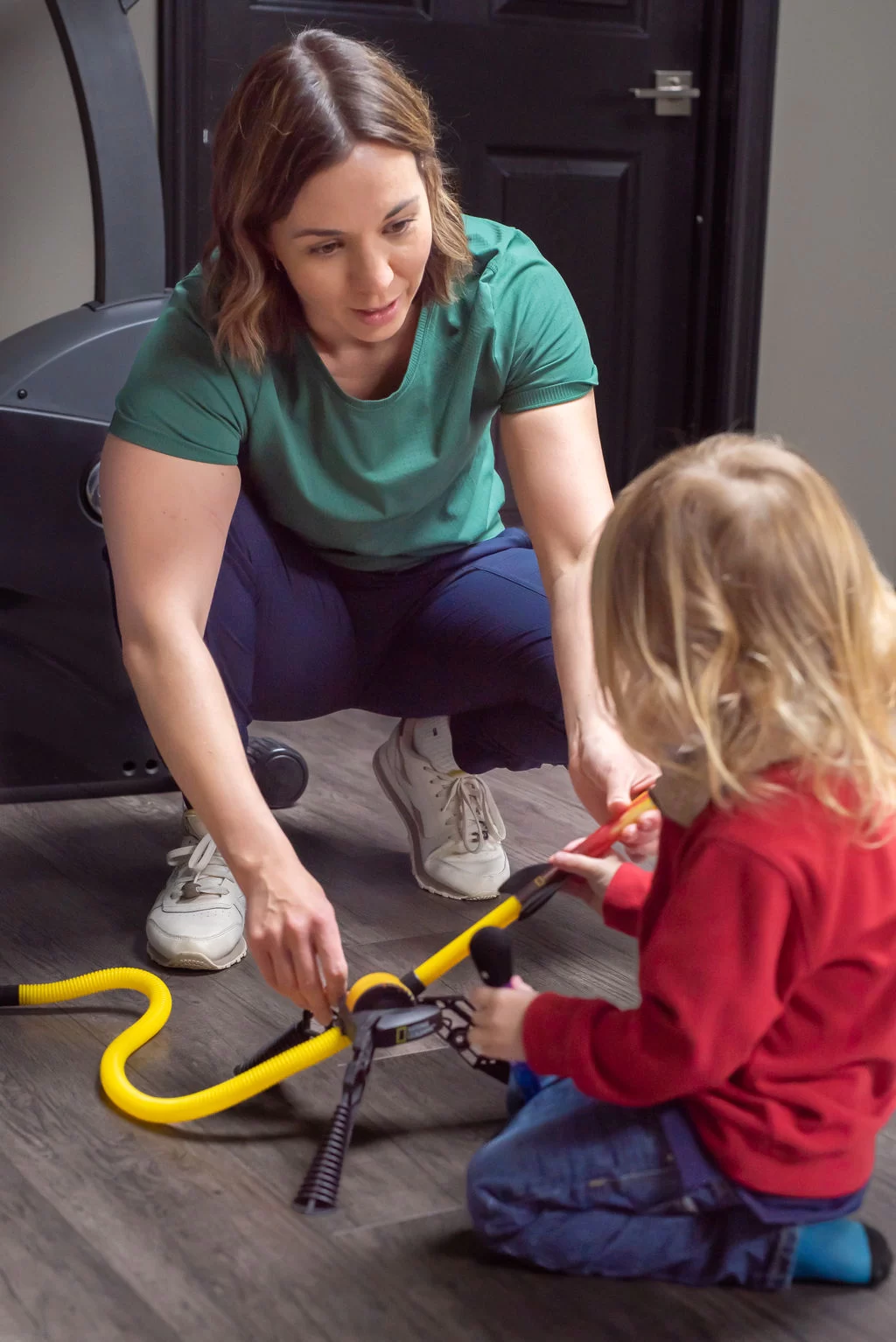
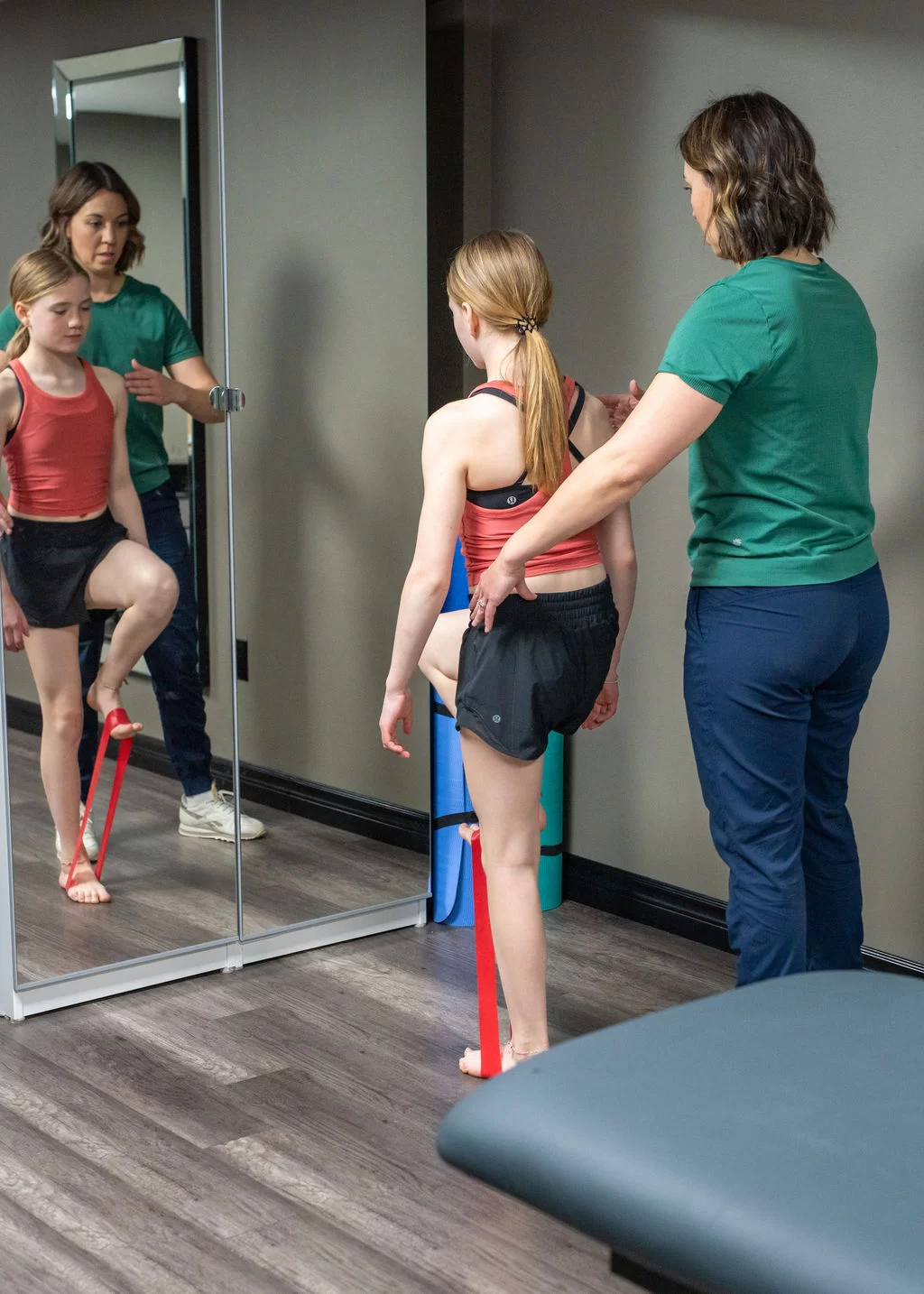
Children may also benefit from pelvic floor physiotherapy. In collaboration with families, Leona provides age-appropriate assessment and treatment to help children build healthy bladder and bowel habits and improve pelvic floor function.
Concerns may include:
- Daytime urinary accidents
- Bedwetting
- Constipation
- Stool withholding
- Urinary urgency or frequency
- Difficulties related to toileting routines
Treatment focuses on education, practical strategies, and empowering both children and caregivers to support success at home.
What to Expect During Your Appointment
Pelvic floor physiotherapy begins with a thorough discussion about your concerns, health history, and goals for treatment. Assessments and treatment plans are always tailored to the individual.
Internal examinations may be offered when clinically appropriate, but they are never required. Leona will explain all assessment and treatment options, answer questions, and ensure that patients feel informed and comfortable throughout the process. Your consent and comfort are always prioritized.
Compassionate Care, Individualized Support
Leona has a sincere and empathetic approach toward all of her patients. Exercise and activity are important to her, and she understands the frustrations that can arise when pelvic health concerns begin to affect work, parenting, relationships, sport, or the activities you enjoy most.
Her goal is to help patients better understand their bodies, regain confidence in movement, and return to the activities that matter most to them. Through education, individualized treatment, and ongoing support, Leona works collaboratively with each patient to develop a plan that aligns with their unique goals and lifestyle.
You do not have to navigate these concerns alone. Support is available and help can make a meaningful difference.
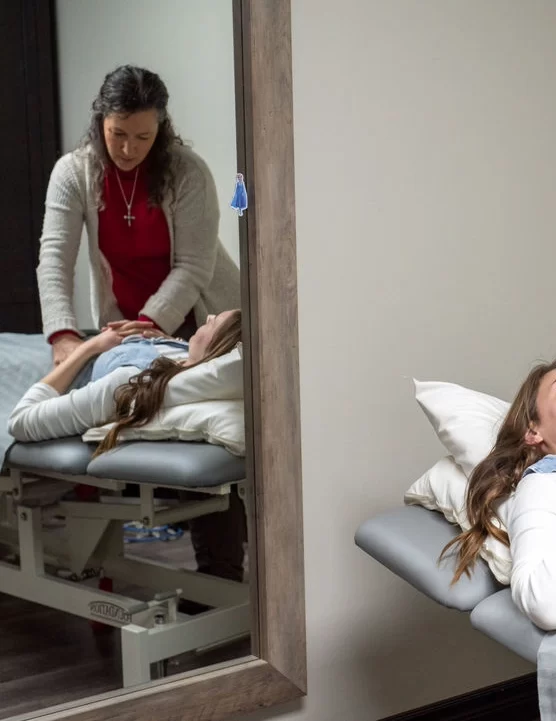
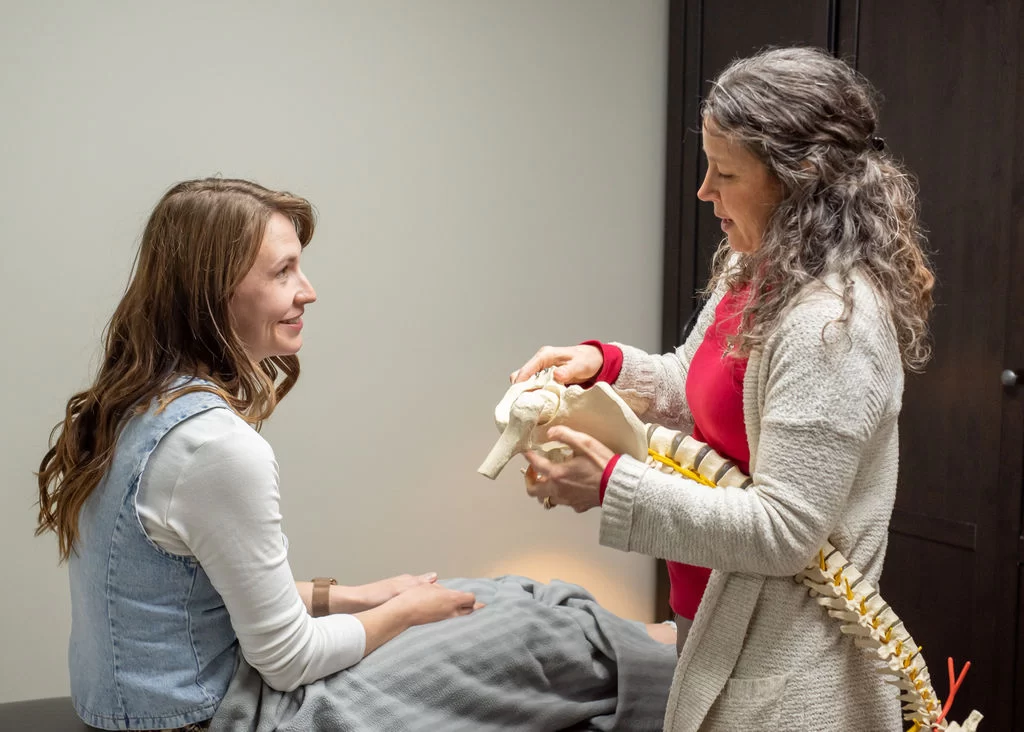
Pessary Management Physiotherapy
Pessary Management for Patients with Existing Pessaries
Appointments available starting September 10, 2026
Leona is expanding her pelvic health services to include Pessary Management. At this time, services are for patients who have already been fitted with and have an existing pessary.
An initial Pessary Management Assessment appointment is for individuals with *an existing pessary* who require clinical assistance with removal and maintenance. Your appointment with Leona includes a comprehensive pelvic floor assessment, vaginal tissue examination, pessary removal, and reinsertion as indicated. Your appointment length is 75-90 minutes. Education and care recommendations are provided to support ongoing management.
After your initial appointment, a follow-up appointment may be booked for ongoing pessary care with your pessary and includes removal, vaginal tissue review, reinsertion as indicated, and continued monitoring and education.
Complimentary Meet & Greet appointments are always welcome (no treatment).
Please note: New pessary fittings will be added at a later date.
Information for You:
A pessary is a removable medical device inserted into the vagina to help support pelvic organs affected by prolapse and, in some cases, assist with managing urinary incontinence. For many individuals, a pessary can provide symptom relief, improve comfort during daily activities and exercise, and serve as a conservative alternative or complement to surgical management.
Pessary care may be appropriate for individuals experiencing symptoms such as:
- A feeling of heaviness or pressure in the pelvic area
- A sensation of vaginal bulging or fullness
- Pelvic organ prolapse
- Certain types of urinary incontinence
- Difficulty participating in activities due to prolapse symptoms
Leona offers pessary management and education as part of her comprehensive pelvic health services.
If you are interested in learning more about whether pessary management may be right for you, please contact our clinic or book a complimentary Pelvic Floor Meet & Greet appointment. If you have questions, you may also email Leona at her private and confidential email: leona@activebalancehealth.ca
For more information about Leona and pelvic health, click HERE.
Pediatric Physiotherapy
Pediatric Physiotherapy
Children grow, develop, and move at their own pace. Sometimes they simply need reassurance that they are on track, while other times they benefit from extra support to help them build strength, coordination, confidence, and age-appropriate movement skills.
Tracy enjoys working with infants, children, and their families to assess movement patterns, address developmental concerns, and create individualized treatment plans that fit naturally into everyday life. Sessions are designed to be engaging, play-based, and family-centred, empowering both children and their caregivers throughout the process.
Conditions Tracy Treats
- Torticollis
- Plagiocephaly
- Gross motor delay
- Milestone check-ups
- Gait assessments
- Congenital conditions
- Neuromotor and neuromuscular conditions
Who Benefits from Pediatric Physiotherapy?
The short answer? Almost any child can benefit from an assessment.
Parents often seek pediatric physiotherapy when they have questions about their child's movement, development, or physical abilities. Whether your child has a specific diagnosis, has experienced an injury, is struggling to keep up with peers physically, or you simply want reassurance that they are meeting developmental milestones, Tracy can help.
Some reasons families may seek pediatric physiotherapy include:
- Concerns about rolling, sitting, crawling, or walking milestones
- Preference for looking or turning to one side
- Flat spots on the head (plagiocephaly)
- Frequent tripping, toe walking, or unusual walking patterns
- Delays in running, jumping, climbing, or other gross motor skills
- Coordination or balance concerns
- Recovery following injury or surgery
- Support related to congenital, neuromotor, or neuromuscular conditions
- A desire for a professional assessment and guidance for healthy movement development
Every child is unique. Tracy works collaboratively with families to identify goals that are meaningful to them and provides practical strategies and home activities that support progress beyond the clinic setting.
Sometimes parents leave with peace of mind and reassurance. Other times, early intervention can make a significant difference in helping children develop the skills they need to participate confidently in play, school, sports, and everyday activities.
High-Performance Athlete Physiotherapy
As an experienced physiotherapist working with high-performance athletes, Tracy understands the unique physical demands of competitive sport. Whether recovering from an injury, preparing for a competition season, or striving to improve performance, athletes benefit from individualized care that reflects the specific requirements of their sport.
Tracy's approach includes:
- Injury prevention and management
- Sport-specific rehabilitation programs
- Performance enhancement through tailored exercise prescription
- Functional movement assessments to identify strengths and areas for improvement
- Return-to-sport planning and progression
- Collaboration with coaches, physicians, and other healthcare professionals to support the athlete as a whole
Her goal is to help athletes move efficiently, recover effectively, and perform with confidence while minimizing the risk of future injury.
To learn more about Tracy Banister, please click HERE.
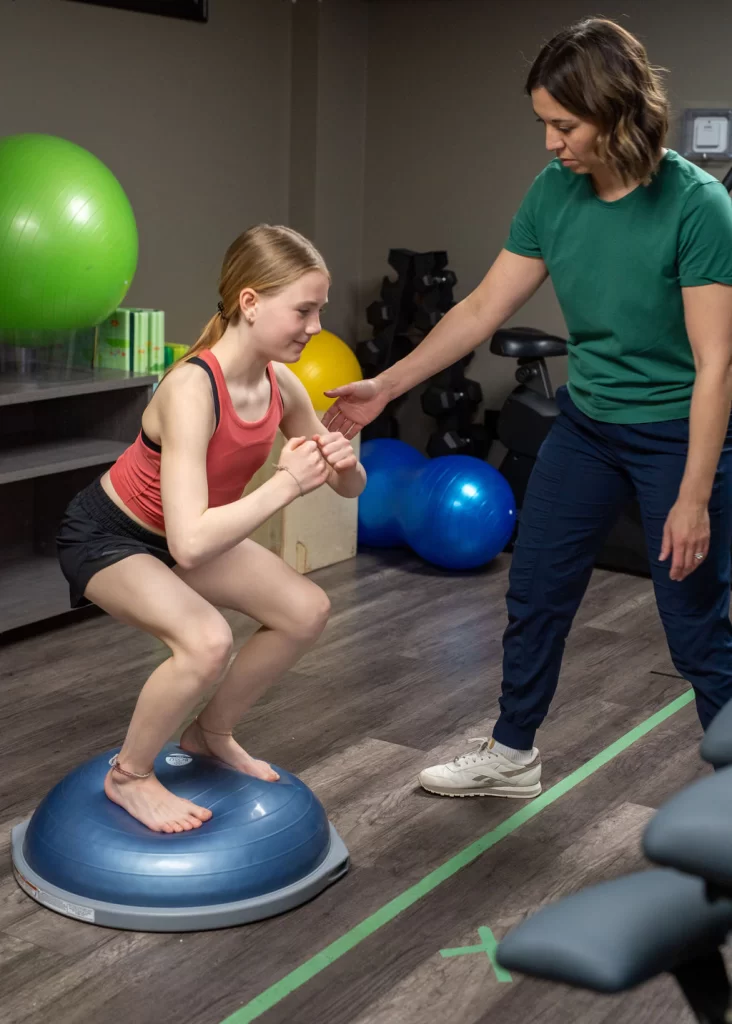
Sport and Orthopedic Physiotherapy
"Many people assume physiotherapy is only for athletes. You don't have to be training for a marathon to benefit from physiotherapy." - O.P.
Orthopedic Physiotherapy focuses on assessing, treating, and preventing injuries and conditions affecting muscles, joints, tendons, ligaments, nerves, and bones. Whether you're recovering from surgery, managing a longstanding injury, dealing with aches and pains from everyday life, or trying to return to the activities you love, physiotherapy can help restore movement, improve strength, and build confidence in your body's ability to function well.
At Active Balance, our physiotherapists, Tracy Banister and Leona Ham, understand the many demands people place on their bodies. From athletes training for their next event, to busy parents, active retirees, office workers, and those whose jobs involve repetitive or physically demanding tasks, they recognize that every person's goals are different. Their treatment plans reflect that understanding.
Physiotherapy treatment may include hands-on manual therapy, individualized exercise prescription, education, movement retraining, therapeutic modalities, and practical strategies to support recovery and prevent future injury. Rather than focusing solely on symptoms, Tracy and Leona work to identify contributing factors and address the underlying issues affecting function and performance.
One of the things our patients value most is time.
When you book an hour-long physiotherapy appointment, you spend that full hour one-on-one with your physiotherapist. This allows for thorough assessments, meaningful conversations, hands-on treatment when appropriate, and the opportunity to develop a plan that fits your lifestyle and goals.
With decades of combined clinical experience, Tracy and Leona bring both expertise and compassion to their work. They understand that pain and injury can impact every aspect of life, and they strive to help patients navigate recovery with encouragement, evidence-informed care, and realistic strategies that empower them throughout the rehabilitation process.
Examples of conditions treated, such as:
- Shoulder injuries and rotator cuff pain
- Knee pain and ligament injuries
- Hip pain
- Running injuries
- Tendinopathies (Achilles, tennis elbow, etc.)
- Post-surgical rehabilitation
- Arthritis management
- Neck and back pain
As part of a multidisciplinary clinic, our physiotherapists work closely with other healthcare providers within the clinic including chiropractors, massage therapists, and other members of our team. This collaborative approach ensures that patients receive coordinated care that supports both immediate recovery and long-term health and wellness.
Our goal is simple: to help you move better, feel stronger, and return to the activities that matter most to you.